Topic: Value Guides
The best scrap metal prices in Adelaide are not always the highest number on a price list. Two yards can quote different rates for the same load because they grade it differently, deduct for different things, weigh it differently and update their prices on different days. To compare scrap metal prices fairly, compare the same grade, the same date and the same deductions, then look at what you are actually paid per kilo after weighing.
This guide explains the six reasons scrap yard prices differ, the questions to ask before you drive anywhere, and how to tell a good quote from a headline number.
The short answer
- Grade: a price per kilo only means something next to the grade it applies to.
- Headline vs paid: advertised rates are usually for the cleanest grade of each metal.
- Deductions: water, plastic, steel and attachments are taken off the weight or the grade.
- Weighing: certified scales, weighed in front of you, grade by grade.
- Timing: metal markets move every trading day, so a price list from last month is out of date.
- Sorting: a sorted load is graded higher than the same metal mixed together.
1. The same metal can be graded differently
Most of the difference between yards comes from grading, not from the rate itself. Copper is a good example: clean pipe with the joints cut off is #1 copper, but the same pipe with solder rings and brass fittings is #2, which pays less. A yard that quotes a high #1 rate but grades most of your load as #2 can pay you less than a yard with a slightly lower #1 rate that grades fairly.
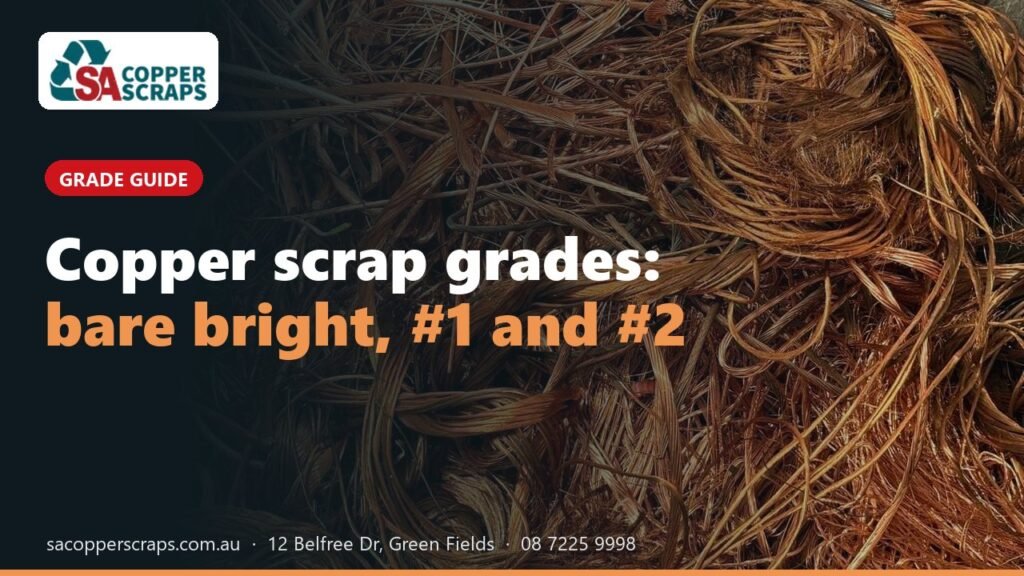
When you compare quotes, ask which grade each rate is for and what drops metal into a lower grade. Our guide to copper scrap grades shows what each copper grade looks like.

2. Advertised prices are usually the top grade
Price lists and signs tend to show the best rate for each metal: bare bright copper, clean brass, extruded aluminium. That is the rate for perfect material. Household and trade loads usually include some lower grades, so the average you are paid per kilo is lower than the headline. That is normal everywhere; what matters is that the yard explains which grade each piece went into.
3. Deductions and contamination
Anything that is not metal is either deducted from the weight or drops the grade:
- Water sitting in pipe, cable drums or wet bags.
- Plastic and rubber: insulation, tape, hoses, plugs.
- Steel attachments: screws, brackets, clamps on aluminium or copper.
- Oil and dirt in motors, compressors and engines.
Ask how each yard handles these before you go. A yard that clearly tells you what it deducts and why is easier to compare than one that adjusts the total without explaining.
4. How the metal is weighed
Scales used to buy and sell by weight in Australia must be suitable for trade, and you should be able to see the reading. Each grade should be weighed separately, with the weight of any bin, bag or tub taken off. If a load is weighed all together and then split by estimate, the split decides your price. Our guide on how scrap metal is weighed explains what a fair weigh looks like.
5. Prices move with the market
Scrap prices follow the world metal markets and the Australian dollar. Copper, aluminium and nickel are traded every working day, so yard prices can move week to week, and a quote from a few weeks ago may not match today. When you compare prices, check the date on each one.
6. Sorting changes the grade
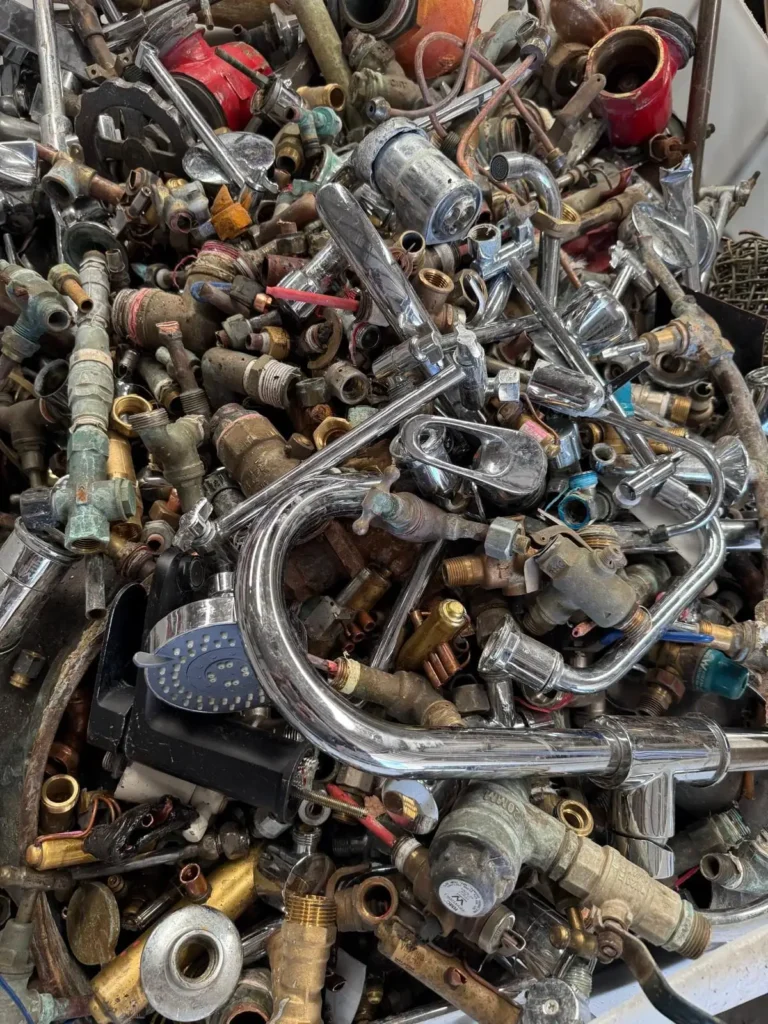
The single biggest thing you control is sorting. Copper, brass, aluminium, cable and steel kept apart are each graded on their own. Mixed together, the whole load is often graded at the rate of the lowest-value metal in it. Our guide on how to sort scrap metal before selling shows a simple system.
Questions to ask before you drive
- What is the rate per kilo for this grade of each metal I have?
- When was that rate last updated?
- What do you deduct for, and how?
- Is each grade weighed separately, in front of me?
- What ID do I need to bring?
A phone quote is a guide only. The rate you are paid is set when the metal is graded and weighed, so a yard that tells you that honestly is usually a better sign than a quote that sounds too good.
How we price at our Green Fields yard
We publish guide ranges for every metal on our scrap metal prices page, with the date they were last checked. When you bring your load to 12 Belfree Dr, Green Fields, we sort it into grades with you, weigh each grade separately on certified scales you can see, confirm the rate for each and pay you the same visit. If a piece could go into either grade, we show you why. Bring current photo ID; it is required for every sale in South Australia.
Related guides
- What scrap metal is worth the most in Adelaide?
- Copper scrap grades explained
- How scrap metal is weighed
Frequently asked questions
Who pays the best scrap metal prices in Adelaide?
The yard that pays the most for your load is the one that grades it fairly, weighs it accurately and deducts only what it should, not always the one with the highest advertised rate. Compare quotes grade by grade and on the same date.
Why was I paid less than the advertised price?
Advertised prices are usually for the cleanest grade. If some of your metal had solder, insulation, steel attachments or water in it, those pieces are graded lower or deducted, which brings the average down.
Can I get a scrap metal price over the phone?
You can get a guide rate for each grade over the phone. The exact amount is set once the metal is graded and weighed, because the grade can only be confirmed by looking at it.
Do scrap metal prices change every day?
The world metal markets change every trading day, and yard prices follow them. Most yards update their rates weekly or monthly rather than daily, so always check the date on a price.
Does sorting my scrap really make a difference?
Yes. Sorted metal is graded on its own, so each metal earns its own rate. Mixed loads are often graded at the lowest rate in the pile.
Final word
A fair price is the right rate for the right grade on an accurate weight. Ask about grades, deductions and dates, sort before you come, and compare what you are actually paid per kilo.