Topic: Grading and Sorting
Brass and copper often turn up in the same bucket, and they are easy to mix up when they are dirty or tarnished. Telling them apart before you come in matters, because copper pays noticeably more than brass and a mixed bucket is graded at the lower rate.
This guide covers the quick checks that separate the two, the items where each one usually hides, and how sorting them changes what you are paid at our Green Fields yard.
Brass vs copper: the quick answer
Copper is a pure metal with a reddish-orange colour. Brass is an alloy of copper and zinc, so it is yellow or gold and noticeably harder. Neither is magnetic. Clean copper is paid at copper rates, which are the highest of the common metals; brass is paid well, but below copper.
| Check | Copper | Brass |
|---|---|---|
| Colour (on a fresh scratch) | Reddish-orange, like a new coin | Yellow or gold |
| Tarnish | Brown, then green (verdigris) | Dull brown or dark gold |
| Hardness | Soft; bends and dents easily | Harder; resists bending |
| Magnet | Does not stick | Does not stick |
| Typical items | Pipe, wire, busbar, hot water cylinders | Taps, valves, fittings, door hardware |
Four checks to tell brass from copper
1. Scratch and look at the colour
Tarnish hides the real colour, so scratch a small, hidden spot with a file or screwdriver. Fresh copper shines reddish-orange. Fresh brass shines yellow. Red brass and gunmetal sit in between, with a pinkish-gold colour, because they contain more copper.
2. Try to bend it
Thin copper tube and wire bend easily by hand. A brass fitting of the same size feels rigid. This is a useful check on small offcuts but not on solid fittings, which are thick whatever they are made of.
3. Use a magnet to rule out steel
A magnet will not stick to copper or brass, so it does not separate the two from each other. It does catch chrome-plated steel and steel fittings that look like brass, and steel screws or inserts inside brass valves, which lower the grade.
4. Think about where it came from
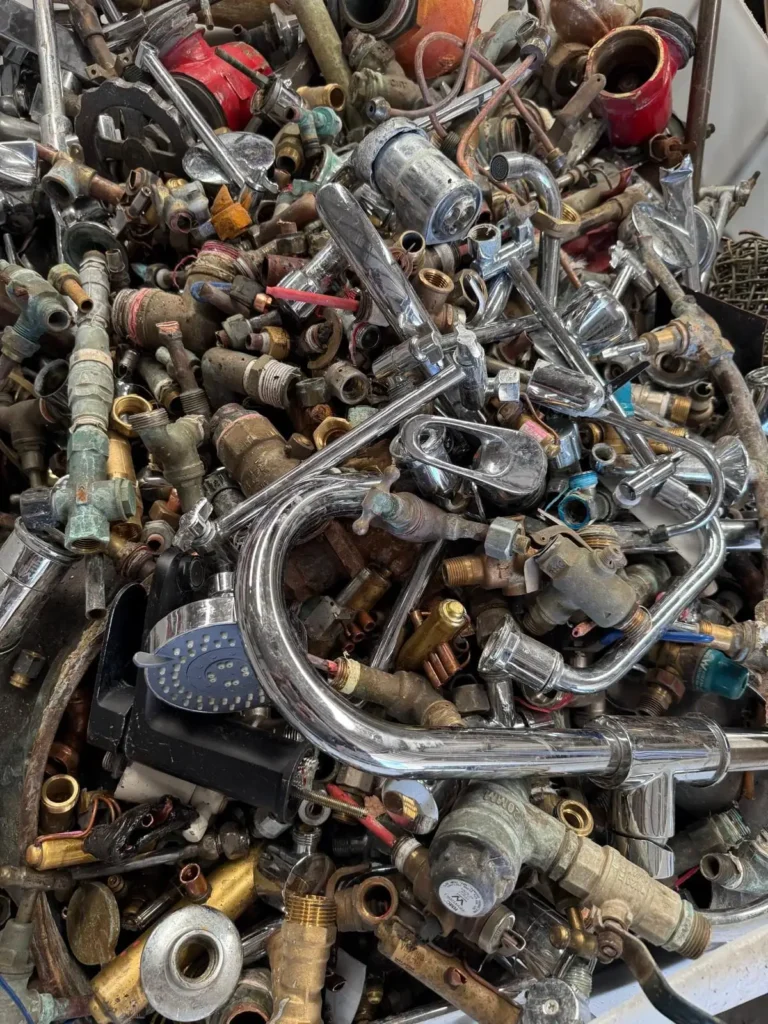
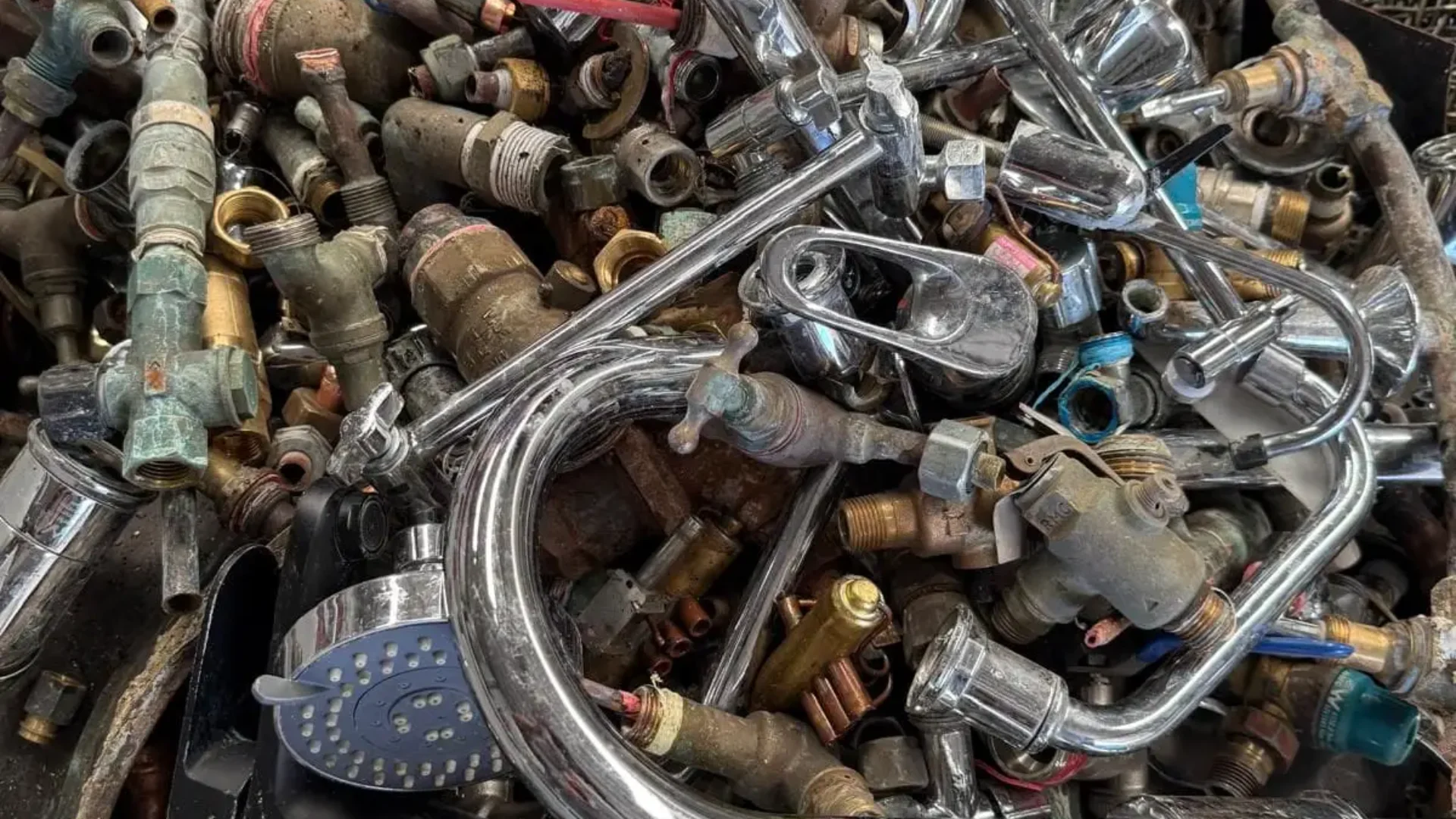
Plumbing pipe, electrical wire and busbar are almost always copper. Taps, valves, unions, meters, door handles and decorative hardware are almost always brass. Chrome-plated tapware is usually brass underneath the plating.
Why sorting them changes your price
Copper and brass are graded separately because they are remelted separately. If brass fittings are still soldered to copper pipe, the whole piece is graded as a lower copper grade. Cutting the fittings off means the copper can be paid as #1 or #2 copper and the brass as clean brass, so both metals are paid at their own rate.
The same applies to buckets. A bucket of mixed copper and brass offcuts is graded at the brass rate unless it is separated, so a few minutes of sorting at home usually pays for itself.
Common items and what they usually are
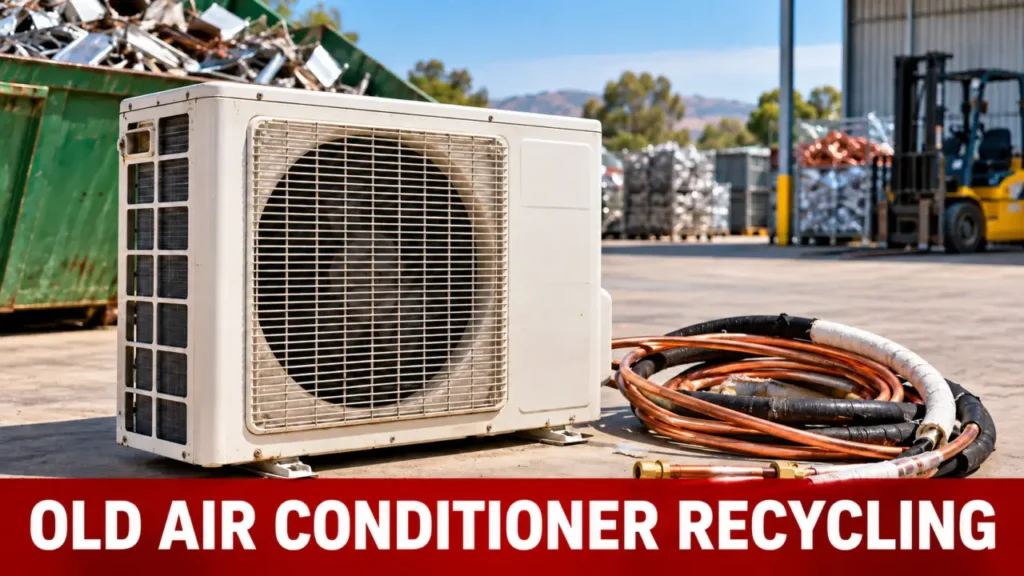
- Copper: water pipe and tube, electrical wire and cable, busbar and earth bar, hot water cylinder linings, air conditioner line sets.
- Brass: taps and mixers, valves and unions, water meters, door handles and hinges, shell casings with no live primers, decorative fittings.
- Red brass and gunmetal: heavier valves, pump bodies and older plumbing fittings with a pinkish colour.
- Mixed: brass fittings soldered to copper pipe, and brass taps with steel screws or plastic handles still attached.
Selling brass and copper at our yard
Bring sorted or mixed loads to SA Copper Scraps at 12 Belfree Dr, Green Fields. We check every piece with you, separate copper from brass and clean from mixed, and weigh each grade on certified scales before you are paid. Bring current photo ID.
For grades and current guide prices, see our scrap copper and brass scrap pages, and the copper scrap price and brass scrap price guides. Plumbers can see what plumbers usually bring in.
Frequently asked questions
Is brass worth more than copper?
No. Copper is worth more than brass per kilo because brass is part zinc, which is a lower-value metal. Brass is still one of the better-paying scrap metals.
Does a magnet stick to brass?
No. Neither brass nor copper is magnetic. If a magnet sticks, the item is steel, plated steel, or has steel parts inside.
Should I cut brass fittings off copper pipe?
Yes, where it is safe to do so. Separated, the copper and the brass are each paid at their own rate instead of the whole piece being graded down.