If they do not appear, use the blog link below.
Platinum
Used across both petrol and diesel converters. A long-standing component of the catalyst coating and a major part of the recoverable value.

Got a converter off a car, ute or 4WD? We buy them. Value comes from the platinum, palladium and rhodium inside, which varies enormously between models, so every unit is assessed individually on its serial number, type and condition.
Bring it to SA Copper Scraps at 12 Belfree Dr, Green Fields SA 5107. Converters are identified by serial number and type, assessed on recoverable precious metal content, weighed and paid for in store.
Because two converters that look almost identical can be worth very different amounts, there is no useful flat rate. The serial number stamped on the shell is what lets us tell you something accurate.
Call 08 7225 9998 with that number before you make the trip and we can give you a realistic idea of what to expect.
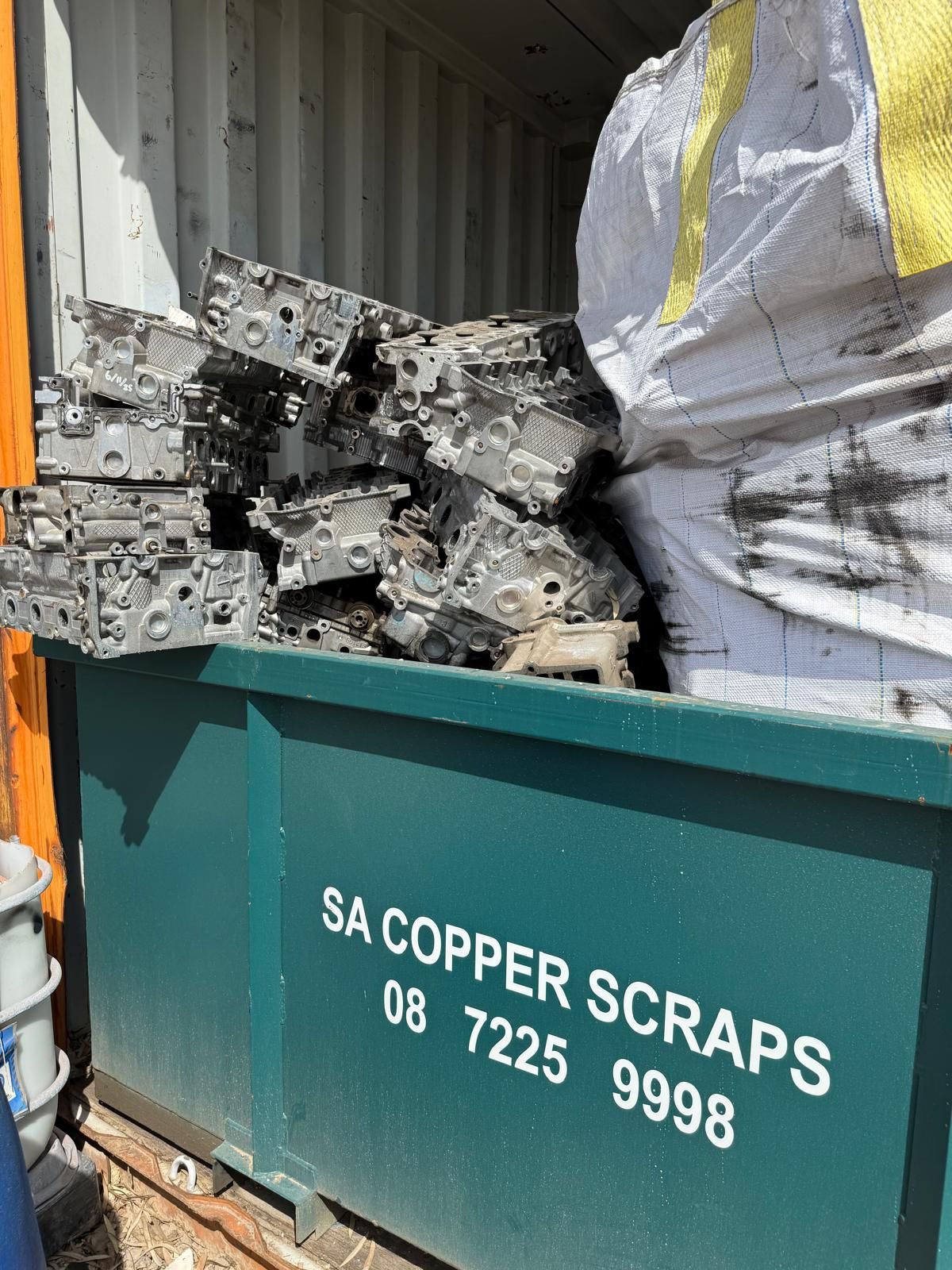
A converter is not valuable as steel. Its worth comes from a thin coating of precious metals on the ceramic honeycomb inside, which is why a small unit can be worth more than a whole car body.
Used across both petrol and diesel converters. A long-standing component of the catalyst coating and a major part of the recoverable value.
Common in petrol converters. Loading levels vary widely between manufacturers, model years and emissions standards.
Used in the smallest quantities but historically the most valuable of the three by weight, and a big reason values differ so much between units.
The vehicle a converter came off is one of the strongest indicators of what it holds. These are the broad patterns we see at the yard.
Commodore, Falcon and similar large local sedans are among the most common units we see, and values vary by model year and engine.
Hilux, Ranger, Navara, Triton and larger 4WDs often carry bigger converter bodies, and diesel units are assessed differently from petrol.
Smaller units with less material, but some models carry surprisingly strong loadings. Worth checking rather than assuming.
Larger commercial units and diesel particulate filters are assessed separately and can be substantial. Call ahead for these.
Most converters arriving at Green Fields come from one of these situations.
Units removed during exhaust work and repairs, often accumulating over weeks. Regular trade arrangements can be discussed.
Wreckers and dismantlers stripping end-of-life vehicles, usually with several units at a time and full vehicle provenance.
One unit off your own vehicle after a replacement or a scrapped car. Bring photo ID and be ready to show the vehicle was yours.
Businesses replacing exhaust components across a vehicle fleet, where units build up in volume over time.
Different converter types are assessed in different ways. Tell us which you have when you call.
Factory-fitted original units. These generally carry higher precious metal loadings than replacements and are usually the strongest value.
Replacement units fitted after the vehicle left the factory. Typically much lower loadings, but still assessed and still bought.
DPFs are a different component from a catalytic converter and are checked separately, but they can hold recoverable material.
Truck, van and heavy vehicle converters. Larger bodies, assessed on size, serial details and condition. Call before bringing these in.
Converter theft is a genuine problem in Australia, and responsible buyers check where units have come from. This protects legitimate sellers as much as anyone.
Photo identification. A current driver licence or equivalent photo ID for the person selling the converter.
Evidence the unit is yours to sell. For a private seller, this generally means being able to show the converter came off a vehicle you own or owned. For a workshop or dismantler, normal business records.
Vehicle details where you have them. Make, model, year and registration help confirm provenance and often help with identifying the unit.
If you are unsure whether what you have is enough, call 08 7225 9998 before you travel rather than making a wasted trip.
From your workshop bench to cash in hand.
Locate the serial number stamped on the converter shell. Photograph it if you can, so you have it to hand.
Ring 08 7225 9998 with the serial number, vehicle type and how many units you have for guidance before travelling.
Bring photo ID and evidence of ownership along with the unit to 12 Belfree Dr, Green Fields SA 5107.
The team identifies the unit by serial and type, and confirms whether it is OEM, aftermarket, diesel or commercial.
Recoverable precious metal content is assessed against the current market for platinum, palladium and rhodium.
The figure is confirmed with you and payment is made before you leave. No invoicing, no waiting.
Converter values move with the platinum, palladium and rhodium markets, so published figures live on the dedicated price page rather than here.
Current public benchmarks are on the catalytic converter scrap price page.
For every other metal we buy, see the scrap prices hub.
Call 08 7225 9998 with the serial number for a figure specific to your unit rather than a generic range.
Whatever the guide says, the amount paid is confirmed once the unit has been identified and assessed in person.
Two converters off the same model year can still differ. These are the factors assessed at the yard.
The single biggest factor. Factory units typically carry substantially more precious metal than replacement units.
A readable serial number lets the unit be identified precisely. An unreadable or removed serial makes accurate assessment much harder.
Model, engine size, fuel type and emissions standard all affect how much catalyst material was fitted originally.
An intact ceramic honeycomb assesses normally. Broken, missing or previously removed internals change the assessment significantly.
Platinum, palladium and rhodium prices move independently and can shift converter values noticeably week to week.
Trade volumes and multiple units are quoted together and are often quicker to process than single walk-in units.
This distinction affects value more than anything else, so it is worth knowing which you have before you call.
Fitted at the factory when the vehicle was built, engineered to meet the emissions standard for that model.
Usually identifiable by manufacturer markings and a factory serial number. Generally the strongest value.
Replacement units fitted later, often built to a price and with much lower catalyst loadings than the original.
Still bought and still assessed, but expect a considerably lower figure than an equivalent OEM unit.
Diesel converters and diesel particulate filters are different components with different recoverable content.
Assessed separately from petrol converters. Mention which you have when you call.
Units with cracked shells, broken internals or missing honeycomb are handled case by case.
Tell us the condition upfront so the assessment is accurate and there are no surprises at the counter.
A few minutes of preparation makes the assessment faster and the figure more accurate.
| Before visiting | Why it helps |
|---|---|
| Find and photograph the serial | The number on the shell identifies the exact unit and is what allows accurate guidance over the phone. |
| Cut pipework back reasonably | Excess attached exhaust pipe is steel, not converter. Trimming close where safe keeps the assessment clean. |
| Keep units separate | Do not mix converters in with general scrap. They are assessed individually, not by the load. |
| Bring photo ID and ownership evidence | Required for the transaction. Bring vehicle details where you have them. |
| Say if it is damaged or gutted | Broken or missing internals change the assessment. Flagging it upfront avoids a wasted trip. |
| Call ahead for multiples | Ring 08 7225 9998 for trade volumes, commercial units or anything unusual so the team can prepare. |
Compare what you have against these before calling or making the trip.
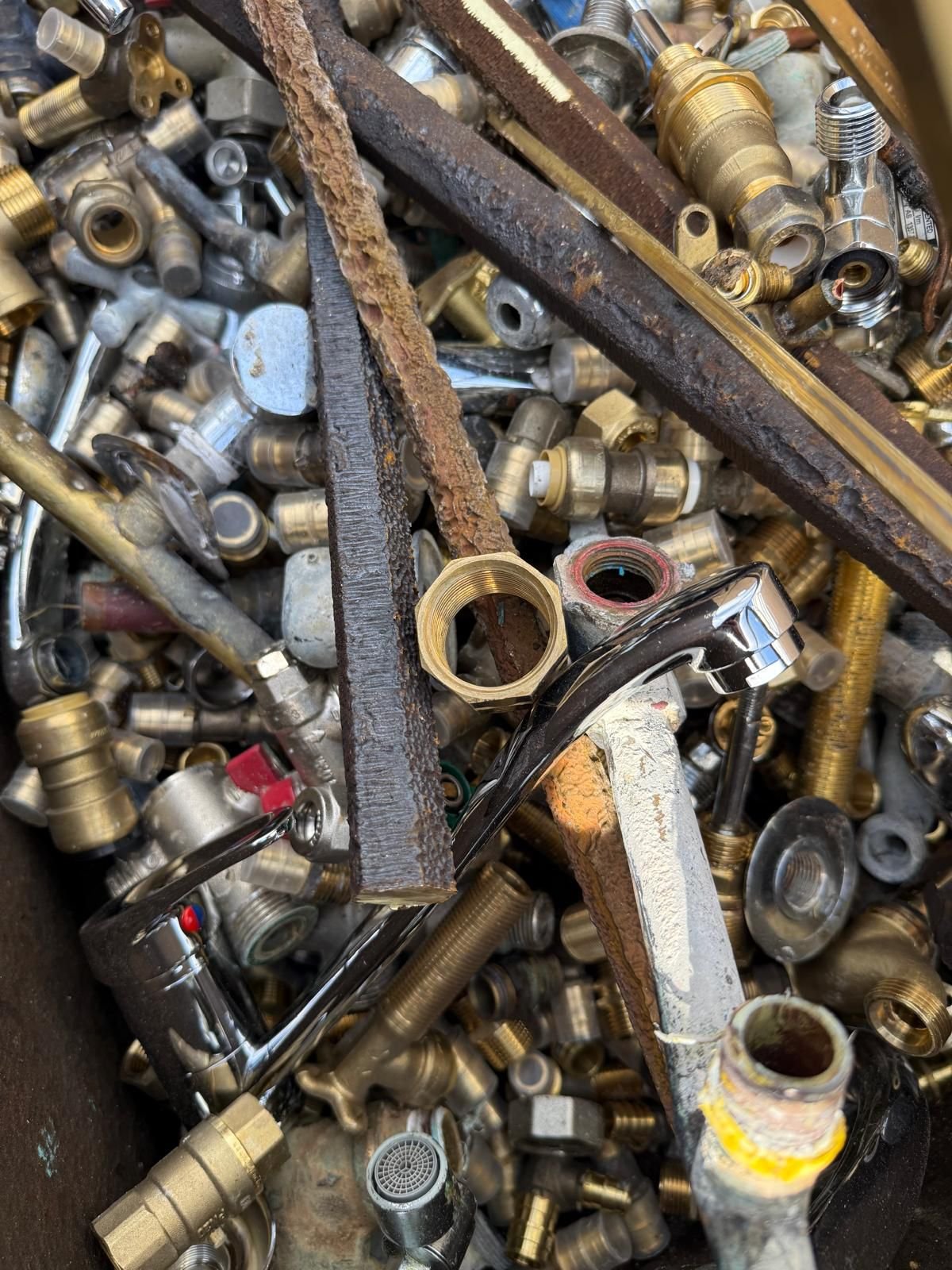
Recent reviews from Adelaide customers who have sold scrap at the Green Fields yard.
Good service and excellent price. Keep going guys.
Asadollah BaratGoogle reviewFriendly staff, easy access, great pieces.
Samuel MorenaGoogle reviewGreat staff and very welcoming, and best prices in the market.
Stanley VareliasGoogle reviewPerfect for plumbers. Quick, great rates, no messing around.
sam haggertyGoogle reviewVery good staff and very good pricing. Definitely recommend.
Salar RahbarGoogle reviewVery well priced and very good customer service like always.
Salar EliteGoogle reviewGreat price, friendly staff.
Adam SmajdorGoogle reviewAlready visited SA Copper Scraps? Your Google review helps other Adelaide customers choose a local scrap buyer with confidence.
Registered business details so Adelaide customers can verify who is buying their material.
It varies enormously, from very little for a small aftermarket unit to a substantial figure for an OEM converter off a larger vehicle. The value comes from platinum, palladium and rhodium content, which differs by make, model, year and emissions standard. Call 08 7225 9998 with the serial number for a figure specific to your unit.
Bring it to SA Copper Scraps at 12 Belfree Dr, Green Fields SA 5107. The unit is identified by serial and type, assessed on recoverable content and paid for in store. Bring photo ID and evidence of ownership.
A ceramic honeycomb coated with platinum, palladium and rhodium. Those precious metals are what buyers pay for. The steel shell itself is worth very little by comparison.
Because manufacturers used different amounts of catalyst material depending on the vehicle, engine and emissions standard. An OEM unit off a large sedan can be worth many times an aftermarket unit off a small hatch, even if they look similar.
It is usually stamped or printed on the metal shell, often on a flat section or near one of the welds. Photograph it and have it with you when you call, as it is the fastest way to get an accurate answer.
Yes, though they typically carry far lower precious metal loadings than factory units and are valued accordingly. It is still worth bringing them in rather than scrapping them as steel.
DPFs are a different component from a catalytic converter but can hold recoverable material. They are assessed separately, so mention which you have when you call.
Photo identification and evidence that the unit is yours to sell. For private sellers this generally means showing it came off a vehicle you own or owned. Workshops and dismantlers use normal business records. Call ahead if you are unsure what you need.
Yes. Workshops, auto dismantlers and fleet operators sell here regularly, and ongoing arrangements for recurring volumes can be discussed. Call with the quantity and types you handle.
Trim the attached exhaust pipe back reasonably close where it is safe to do so. Excess pipe is just steel and adds nothing to the converter value, but do not damage the converter body itself.
Possibly, but it will be assessed very differently from an intact unit, since the recoverable material sits in the ceramic honeycomb. Tell us the condition when you call so the assessment is accurate.
We can give useful guidance if you have the serial number and vehicle details. The final figure is always confirmed once the unit has been seen and identified in person, because condition and internals matter.
Mechanics, dismantlers and private sellers bring converters to the Green Fields yard from right across metropolitan Adelaide.
Read the newest SA Copper Scraps updates, price notes and recycling guides before you bring material to the yard.
If they do not appear, use the blog link below.
Call 08 7225 9998 with the serial number for guidance, or bring the unit and your ID to the Green Fields yard for assessment and payment.